
What shows up when someone searches your name on Google
Before reaching out, your customer types in your name. This piece shows how to do that search the right way and what to look for in the results.
 Higor Pádua · 3 min read
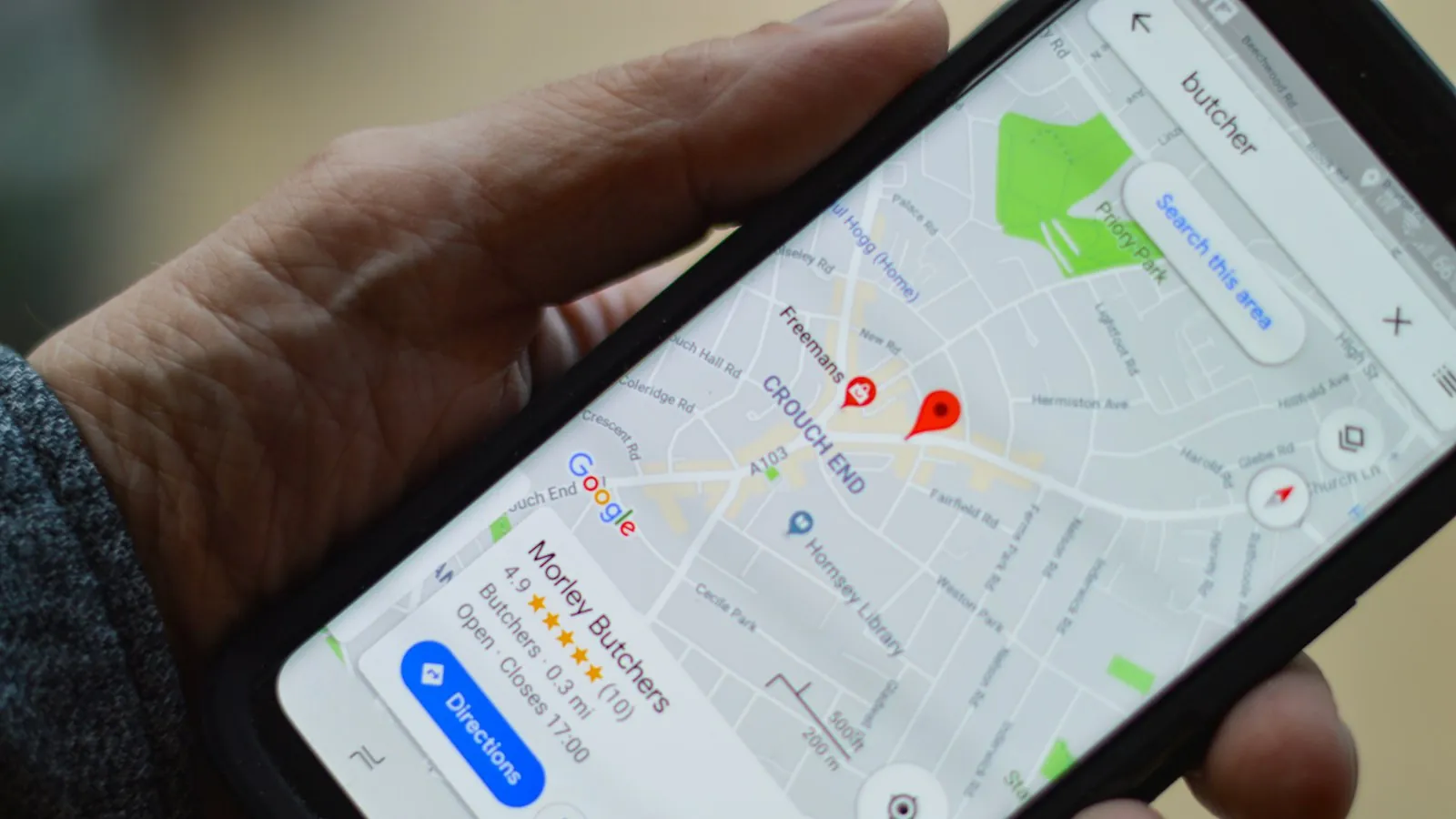
Someone heard about you. They wrote down your name, picked up their phone and searched. What that person found in the next twenty seconds decided whether they'd reach out or not.
You've probably never seen that screen. It's hard to: Google shows you a version of yourself, shaped by everything you've searched and every site you've visited. It knows you're you. Your customer doesn't have that history, and sees something else.
How to search the right way
The point is simple: you need to search the way a stranger would.
- Open an incognito window in your browser. In Chrome it's Ctrl+Shift+N; in Safari, File, New Private Window.
- Search your name the way an ordinary person would type it. Not the full name on your company tax ID (CNPJ): the nickname, the street name, the city. "psychologist campinas," "name + specialty."
- Do the same search on your phone, not just on your computer. Most people look you up on their phones, and the results are different.
- Repeat it while signed out of your Google account.
Write down what shows up in the first five results. Don't judge yet. Just write it down.
What to look at in the results
Once you have the list, three questions cover almost everything.
Is the first thing yours? If the first result is a third-party profile, an aggregator, a directory of professionals or an old listing, someone else is telling your story. You've lost the first word.
Is what shows up up to date? An office address from four years ago, a phone number that no longer exists, a photo from another phase. That's not a detail: it gives the impression you're disorganized.
Can someone understand what you do? Read only what's visible on the results page, without clicking anything. If the person can't explain to a friend what you do and who it's for, they won't click.
Most of the time the problem isn't a lack of skill. It's that the search doesn't tell the whole story.
What's usually missing
In the businesses I look at, one of these four things is almost always missing.
- Unclaimed Google profile. Google created a listing for your business on its own and nobody claimed it. It's there, with wrong information, and it's free to fix.
- No page of your own. Only social media. Social media answers "who is this," but rarely "why choose you."
- Inconsistent name. You're "Ana Paula Salvador" on Instagram, "Dra. Ana P. Salvador" on Google and "Clínica Salvador" in directory listings. To a search engine, those are three different people.
- Zero reviews. Not because customers didn't like you, but because nobody ever asked.
Where to start, if you have to pick one
If you can only tackle one thing this month, claim your Google profile and standardize your name. It's free, takes an afternoon and does the most to change what shows up on the first screen.
The rest comes later: your own page, what it explains, the content that backs it up. But this is the foundation — what a stranger finds when they type your name.
If you did the search and didn't like what you saw, that's exactly the conversation I have with people who come here. I search for your business the way a customer would, on Google, Instagram, your website and reviews, and tell you what I found. No commitment and no cost.