What paid traffic is and how it works (explained without the jargon)
Paid traffic means paying to show up for people who are already searching for your service. How it works on Google and Instagram, and when it's worth starting.
 Higor Pádua · 4 min read
"You need to run paid ads." If you own a business, you've heard that from someone, maybe from three different people in the same week. And maybe you were too embarrassed to ask what exactly it means.
You're not alone. On Google Trends, searches for "what is paid traffic" grew more than 70% in São Paulo over the last year. So here it is, no technical jargon.
What paid traffic is
Traffic is the name for the people who reach you online: on your website, your WhatsApp, your profile. Paid is when you pay for them to get there.
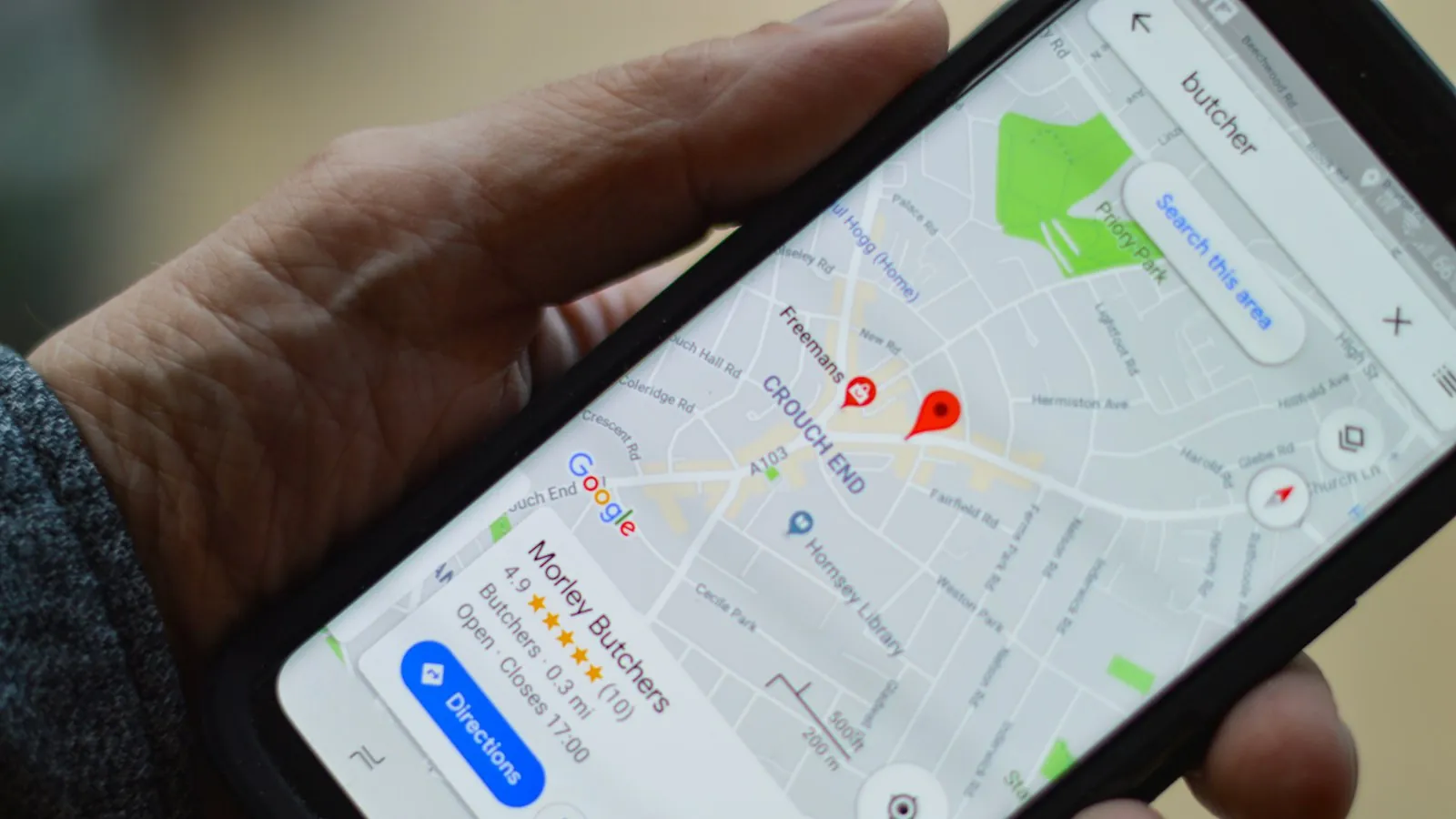
It's the opposite of organic, which is when people find you on their own: in a Google search, on your Google Maps profile, in a post someone shared.
In practice, paid traffic means ads. The difference from a newspaper ad is that you choose very precisely who sees it.
Organic is planting. Paid is watering. One doesn't replace the other, but together they grow faster.
How paid traffic works on Google
With Google Ads, you show up for people who are searching for something. Someone types "electrician in Campinas," and your ad appears at the top, with the "Sponsored" label.
Pricing works like an auction: several businesses want to show up for the same search, and Google decides who appears based on how much each one is willing to pay and the quality of the ad and the page. In most cases you only pay when someone clicks.
It's the most precise channel if you sell something people are already looking for. The person has the problem in hand and is looking for a solution right now. I broke down the costs in how much it costs to advertise on Google.
How it works on Instagram and Facebook
With Meta Ads (Meta is the company that owns Instagram, Facebook and WhatsApp), the logic is different. The person isn't searching for anything: they're scrolling the feed. Your ad shows up in the middle, as a post or a story.
Here you choose the audience by profile: region, age, interests. It works really well to introduce your brand to people who don't know you yet, and to remind people who visited your website and didn't reach out.
In short:
- Google: captures people who already want it.
- Instagram and Facebook: sparks interest in people who didn't know they wanted it yet.
What you need before you advertise
This is the part almost nobody tells you. An ad is a loudspeaker: it amplifies what you already have. If what you have is confusing, it amplifies the confusion.
Before you put money in, check:
- Where the ad leads. A clear page, fast on mobile, that talks about the same thing as the ad. Sending the click to a generic home page is the most expensive mistake there is. A landing page solves it.
- An easy way to reach you. WhatsApp one tap away, with a message already written.
- Proof that you're trustworthy. Google reviews, real photos, past work.
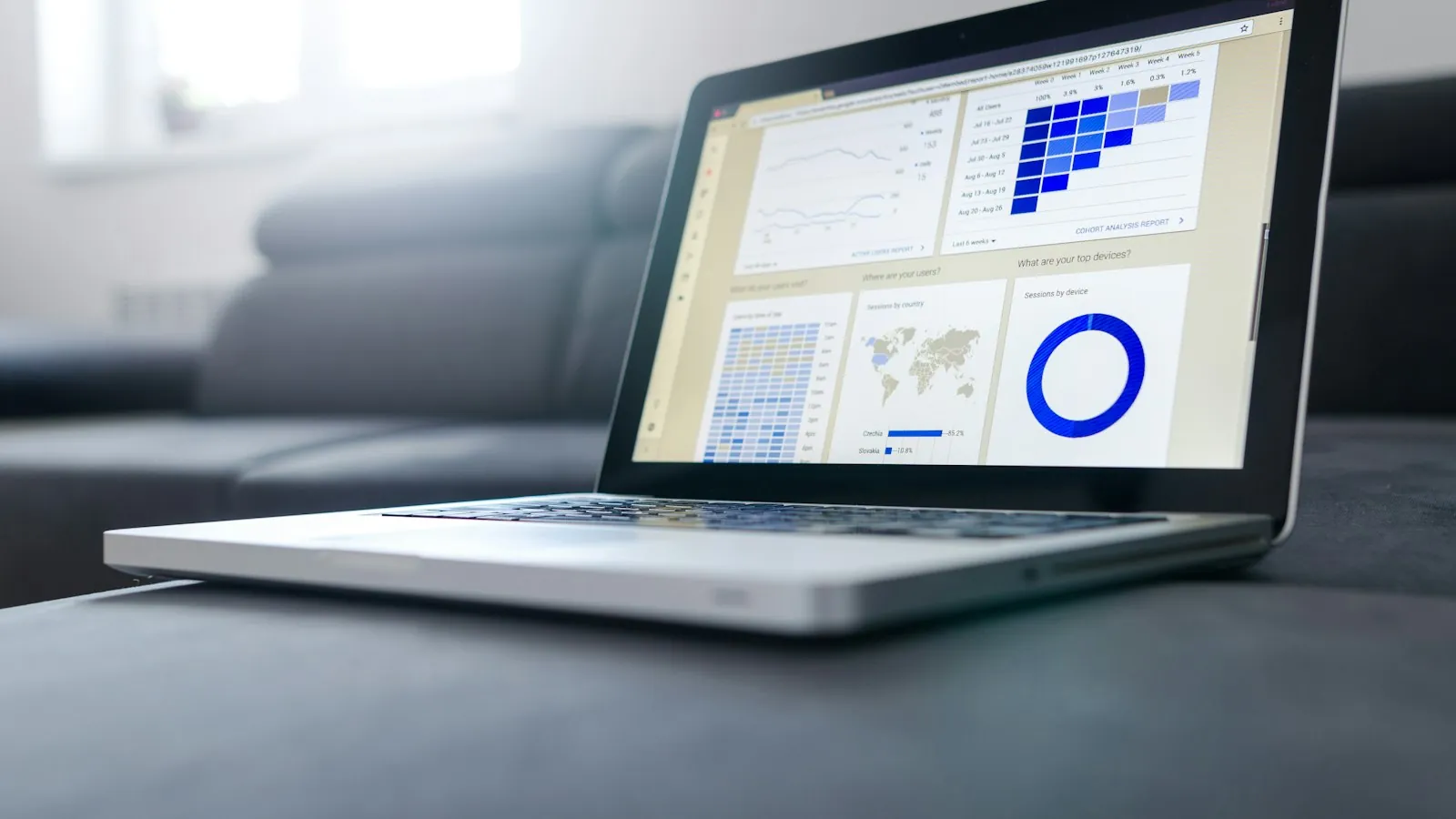
- Measurement. Knowing how many people clicked through to WhatsApp from the ad. Without that, you're paying in the dark.
When paid traffic is worth it
- When you already have a well-defined service and want more demand for it.
- When referrals are inconsistent and you want predictability.
- When you've opened new appointment slots, a new class or a new location, and need to get the word out fast.
And when it's not worth it: when the business can't yet explain what it sells, or doesn't have the capacity to serve more people. Then the money goes away and the customer who came in leaves frustrated.
Can you do it yourself?
You can start, sure. The platforms are open to anyone. But it's easy to spend more than you need to: the wrong audience, keywords that are too broad, ads running in the middle of the night for nobody.
The safest path is to start small, with a clear goal (for example, WhatsApp conversations), look at the numbers every week and adjust. If you want, tell me how customers find you today, and I'll tell you whether it's time to advertise or whether there's something to fix first.