Visual identity: what it is, what comes in a complete identity and when you need one
Visual identity isn't just a logo. See what comes in a complete visual identity and how to tell whether your company's is helping or hurting.
 Higor Pádua · 4 min read
When someone tells me "I need a logo," I almost always ask: "And after the logo, what happens?" The answer is usually silence. Because a logo alone doesn't solve what the person wants to solve.
What they really want is for the business to look like what it is: serious, careful, good at what it does. That has a name. It's visual identity.
So what is visual identity?
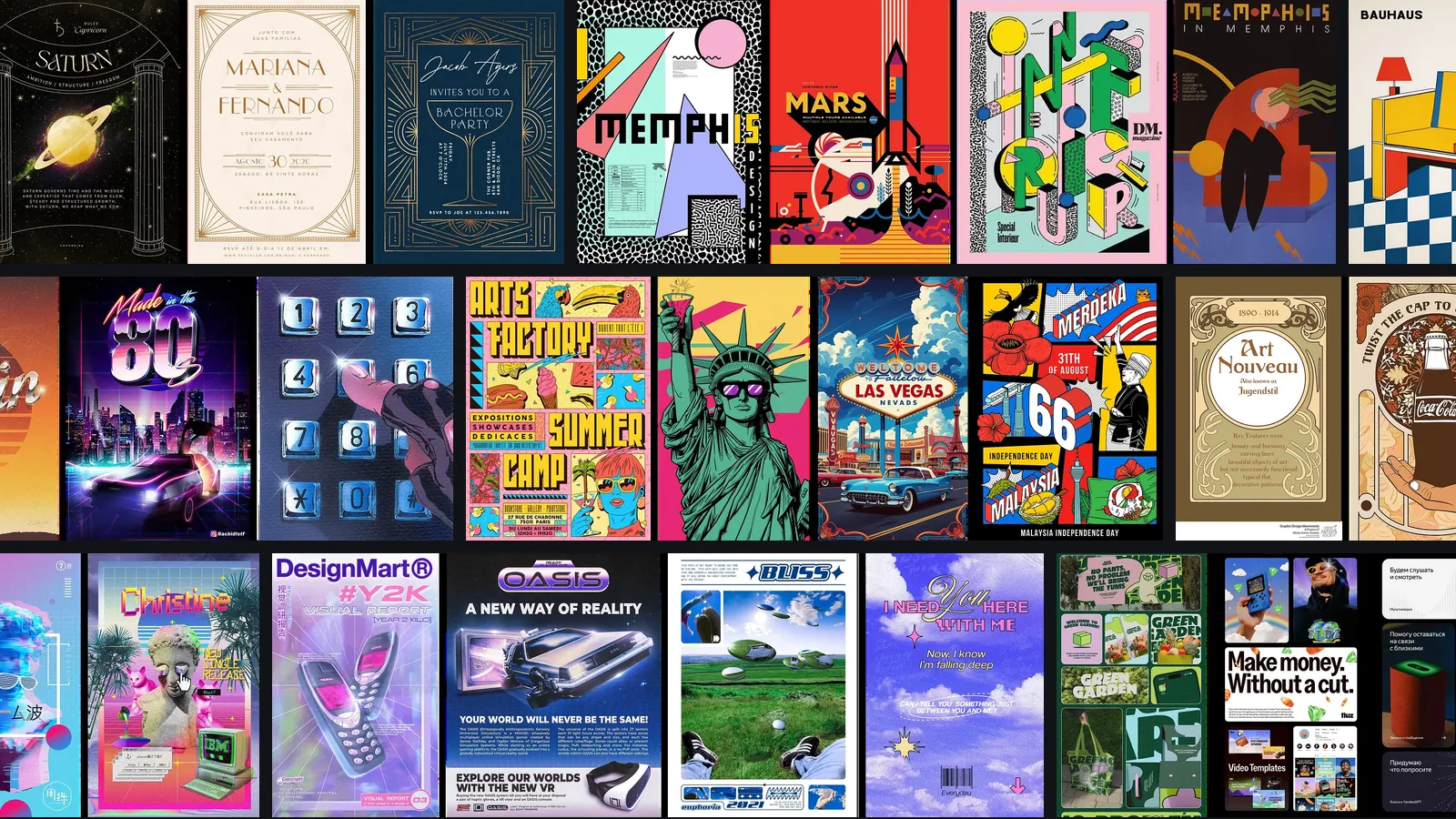
It's the set of visual choices that makes people recognize your business without reading the name. Colors, typefaces, shapes, the look of the photos, the look of the posts. All of it working together to feel like one thing.
Think of a brand you know well. If I covered the logo on one of its posts, you'd probably still know whose it is. That's visual identity at work.
What's the difference between a logo and a visual identity?
The logo is one piece. The visual identity is the whole system around it.
The logo is the signature. The visual identity is the whole handwriting.
A business can have a beautiful logo and still have every post come out different, every card a different color, the website in one font and the menu in another. Customers don't notice it consciously, but they feel it: it looks improvised.
What does a complete visual identity include?
There's no official list, but a complete identity usually has:
- Logo and its variations: the main version, a horizontal one, a compact one for small spaces (like a profile photo) and single-color versions for light and dark backgrounds.
- Color palette: the main and supporting colors, with the right codes for screen and print. That way the orange on Instagram is the same orange on the storefront.
- Typography: which typefaces to use for headings and for body text.
- Graphic elements: shapes, textures, icons or patterns that become the brand's "face" in posts and materials.
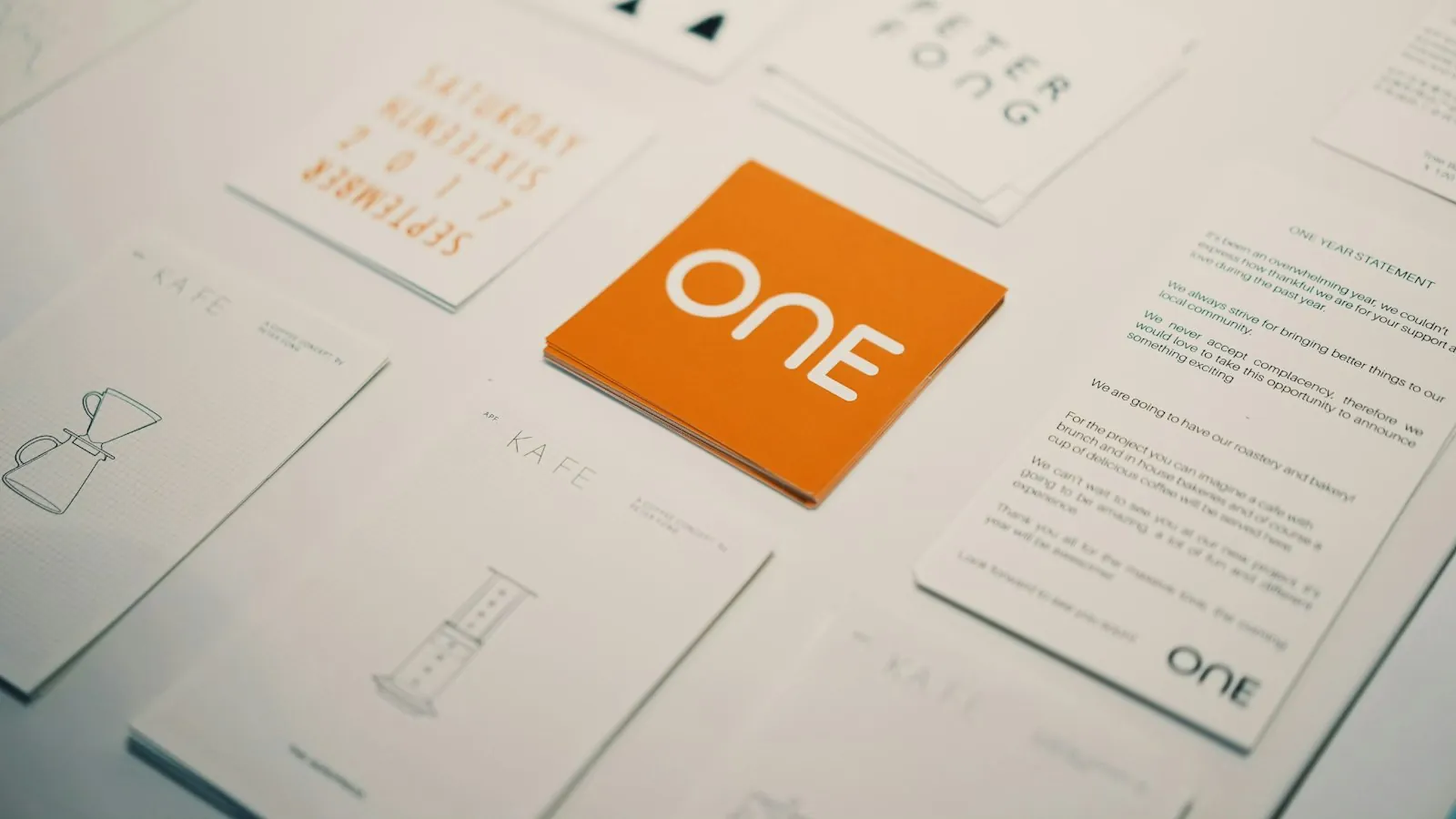
- Applications: the brand already applied to what you actually use, like business cards, posts, stories, storefront, uniforms, packaging.
- Brand guide or presentation: a document that explains how to use all of it, so whoever creates something later (you, a designer, the print shop) doesn't have to guess.
That last item is the one most often missing. Without it, the identity falls apart a little with every new piece.
When does a small business need one?
Not always right away. I'd say it's worth investing when:
- You're opening the business and want to start right, instead of redoing everything two years from now.
- Your service has leveled up. You charge more, you serve a more demanding audience, but the brand is still the one from the beginning.
- You're going to invest in promotion. A new website, ads, a consistent Instagram. All of that gets easier and cheaper with a defined identity.
- Nobody recognizes your posts without reading the name.
How do you know if your current identity is getting in the way?
Some very common signs:
- every piece was made by a different person and none of them match;
- the logo is unreadable in your Instagram or WhatsApp profile photo;
- you're embarrassed to hand out your business card;
- customers think your service is cheaper than it is;
- you change your feed colors every time you see a new trend.
If three or more of these sound familiar, your brand is probably working against you.
Where does visual identity show up day to day?
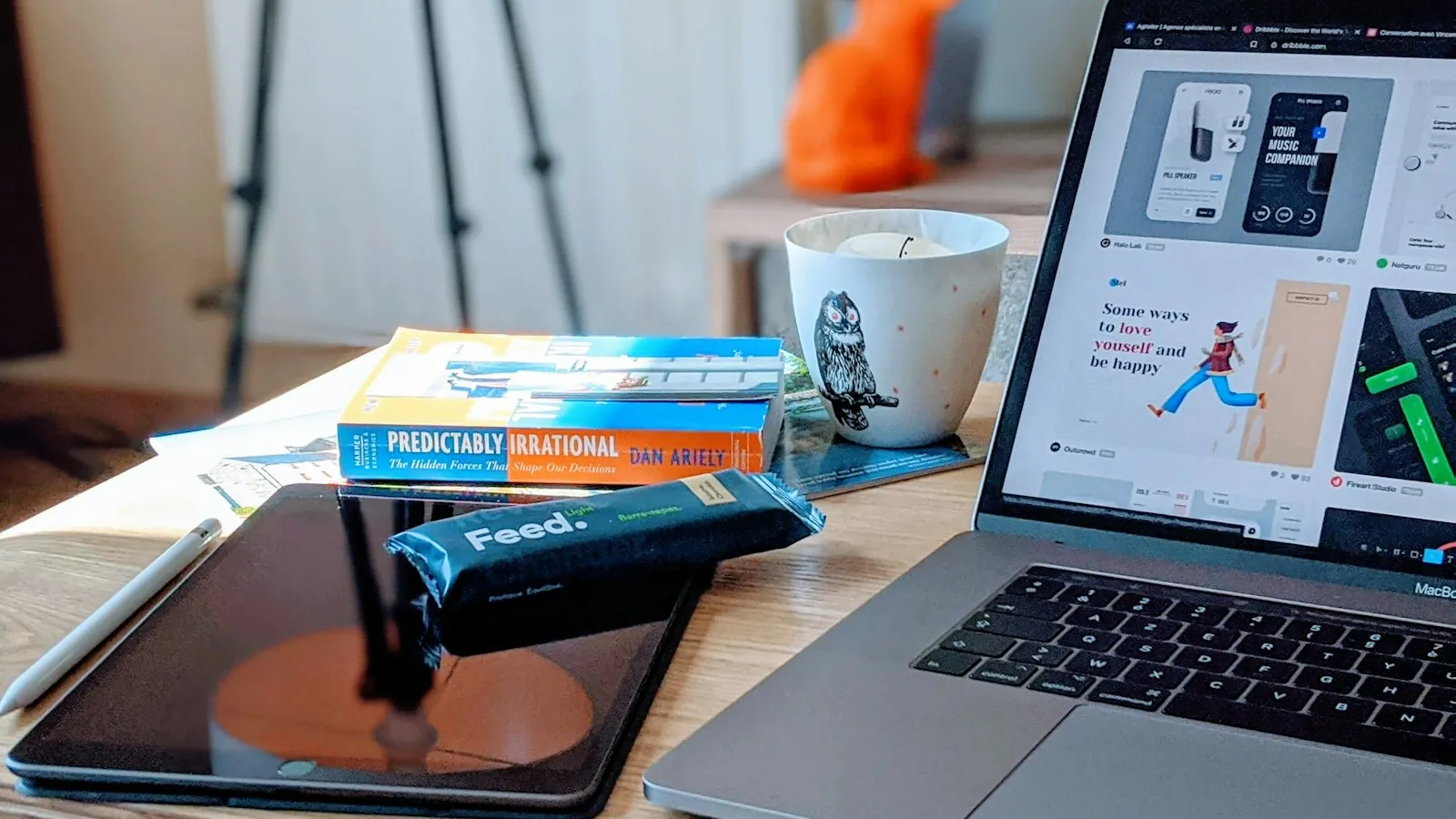
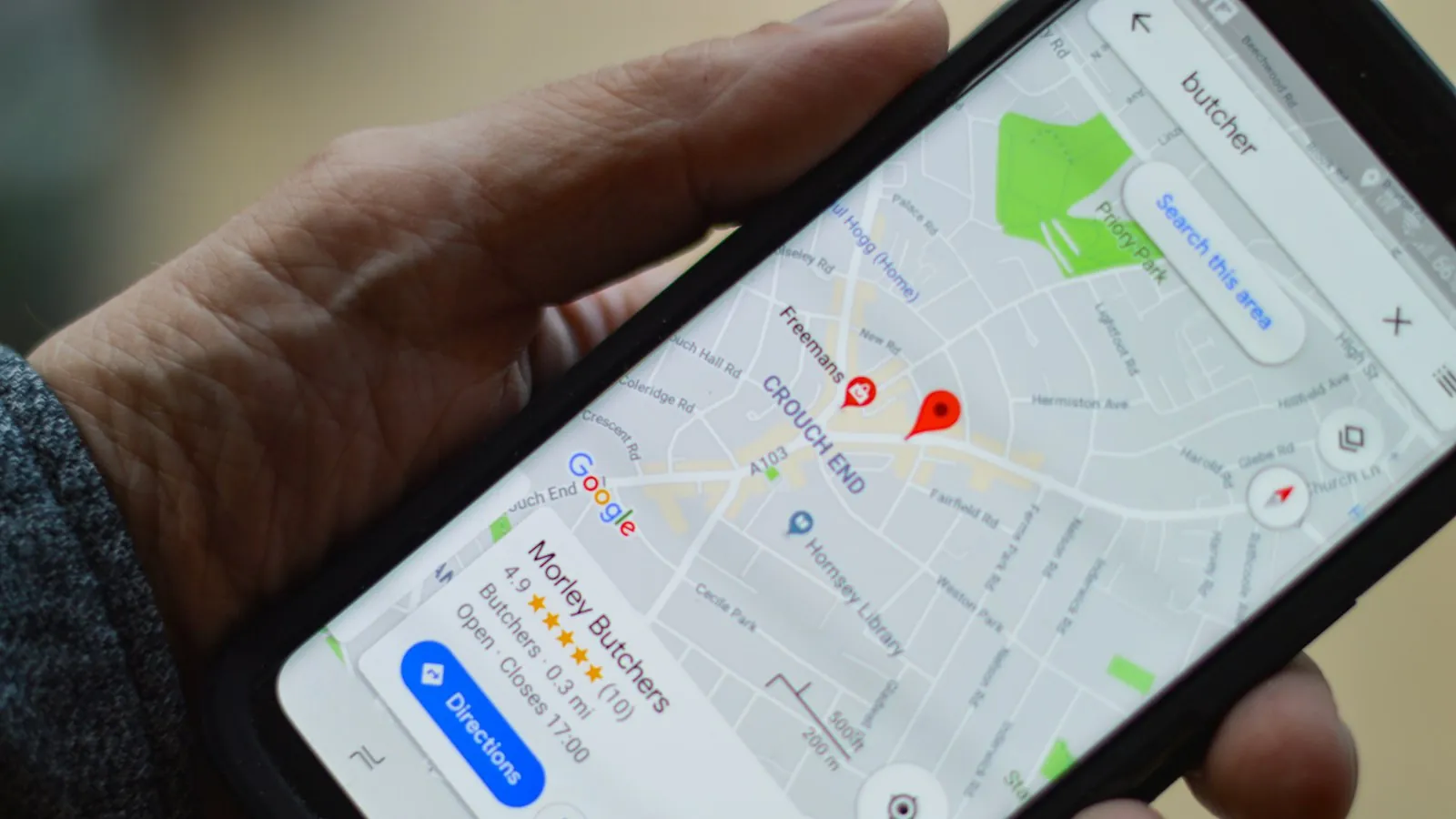
Everywhere customers find you. On Instagram, it's what makes the feed look like a business and not an album of random photos. On your website, it's what makes people trust you before reading anything. On Google, it shows up in the photos and cover of your profile.
Here in the Campinas area I see a lot of excellent businesses that look amateur, and the opposite too. The good news is that appearance is the easiest part to fix.
If you want to see identities applied to feeds, websites and campaigns, my work shows plenty of examples.
Visual identity isn't a luxury or vanity. It's what makes customers understand, at a glance, that you take your work seriously. If you want an honest opinion on yours, just reach out.